.png)
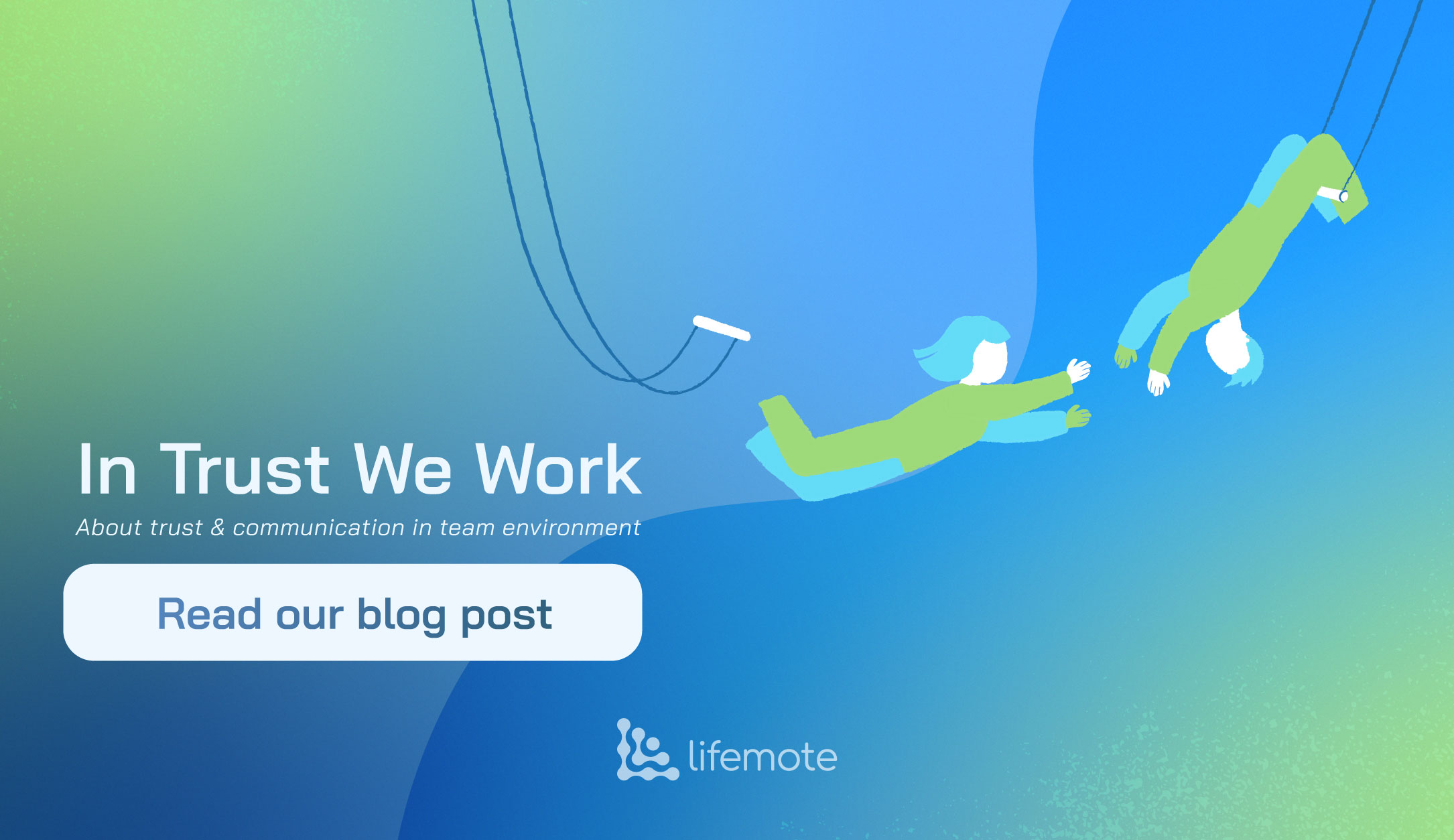

At the personal level, decades of research (Mayer, Davis, & Schoorman, 1995; Tomlinson & Mayer, 2009) agree that trust depends on three key judgments: competence, integrity, and benevolence. People earn trust when they demonstrate ability, keep promises, and show care for others’ interests. These evaluations evolve through experience—trust accumulates through consistency and dissolves through contradiction.
However, loss is faster than gain. Studies of trust repair show that violations trigger stronger emotional and cognitive reactions than confirmations do (Kim, Dirks, & Cooper, 2004). Moreover, the kind of violation matters. When a failure reflects lack of ability, sincere apologies and improved performance can restore confidence. When integrity is questioned—through deception or unfairness—words alone rarely suffice. In those cases, transparency, evidence of change, and repeated value-consistent behavior are required before credibility returns (Ferrin, Kim, & Cooper, 2007).
Scholars such as Lewicki and Bunker (1996) describe trust as developing through stages: calculus-based (driven by predictability), knowledge-based (grounded in understanding motives), and identification-based (anchored in shared values). Once damaged, relationships often regress to earlier stages. Rebuilding trust means advancing again, step by step.
Research on team contagion shows that breaches rarely stay private. A single incident can ripple through an entire group, shaping others’ expectations (Dirks, 2000). Leaders who acknowledge mistakes publicly and demonstrate follow-through are far more successful at containing that erosion. Sustained transparency—not formal apologies—is what stabilizes collective trust over time (Kim, Ferrin, & Cooper, 2009).
In Trust We Work: What Science Reveals About the Hidden Glue of Every Great Workplace
In almost every company story that ends well — the startup that scales, the hospital that heals, the team that stays creative under pressure — there’s an invisible force at work. It isn’t just strategy or salary. It’s trust.
Trust is the quiet infrastructure beneath collaboration, innovation, and resilience. It determines how freely people share ideas, how safely they admit mistakes, and how confidently they follow a leader into uncertainty. Besides being one of the most talked-about “soft skills,” trust is also one of the most rigorously studied constructs in organizational psychology. Over the past few years, researchers across the world have been dissecting it — not to romanticize it, but to understand its mechanisms.
Let’s take a look at what the science actually says about trust in the workplace, based on ten of the most recent and influential studies.
The field of workplace trust didn’t start with buzzwords; it started with careful definitions. Dai, Tang, Chen, and Hou (2022) describe how scholars first focused on identifying the building blocks of trust — integrity, competence, and benevolence — and linking them to outcomes like job satisfaction and performance.
But as organizations grew more complex, a second wave of research challenged the idea that trust is always good or stable. It began asking what happens when trust is broken, when teams work remotely, or when hierarchy creates power imbalances. This shift marked a move from defining trust to understanding its fragility. Now, a third wave is emerging — one that must navigate hybrid work, digital communication, and artificial intelligence. The future of trust research, they argue, is not about whether trust matters (it does), but how it survives in uncertainty.
Inside the Lab: What Experiments Reveal About Trust
One of the clearest messages from experimental research (Kim, Dirks, & Cooper, 2004; Ferrin et al., 2007) is that trust doesn’t just exist — it is earned and confirmed through action. In controlled studies, transparency, fairness, and consistent behavior repeatedly strengthened trust, while even small violations of expectation could destroy it.
Interestingly, these experiments show that people don’t only trust based on facts — they trust based on patterns. When leaders are consistent, employees learn to predict their behavior, which creates psychological safety. When they act unpredictably or hide information, uncertainty takes over — and trust evaporates far faster than it was built.
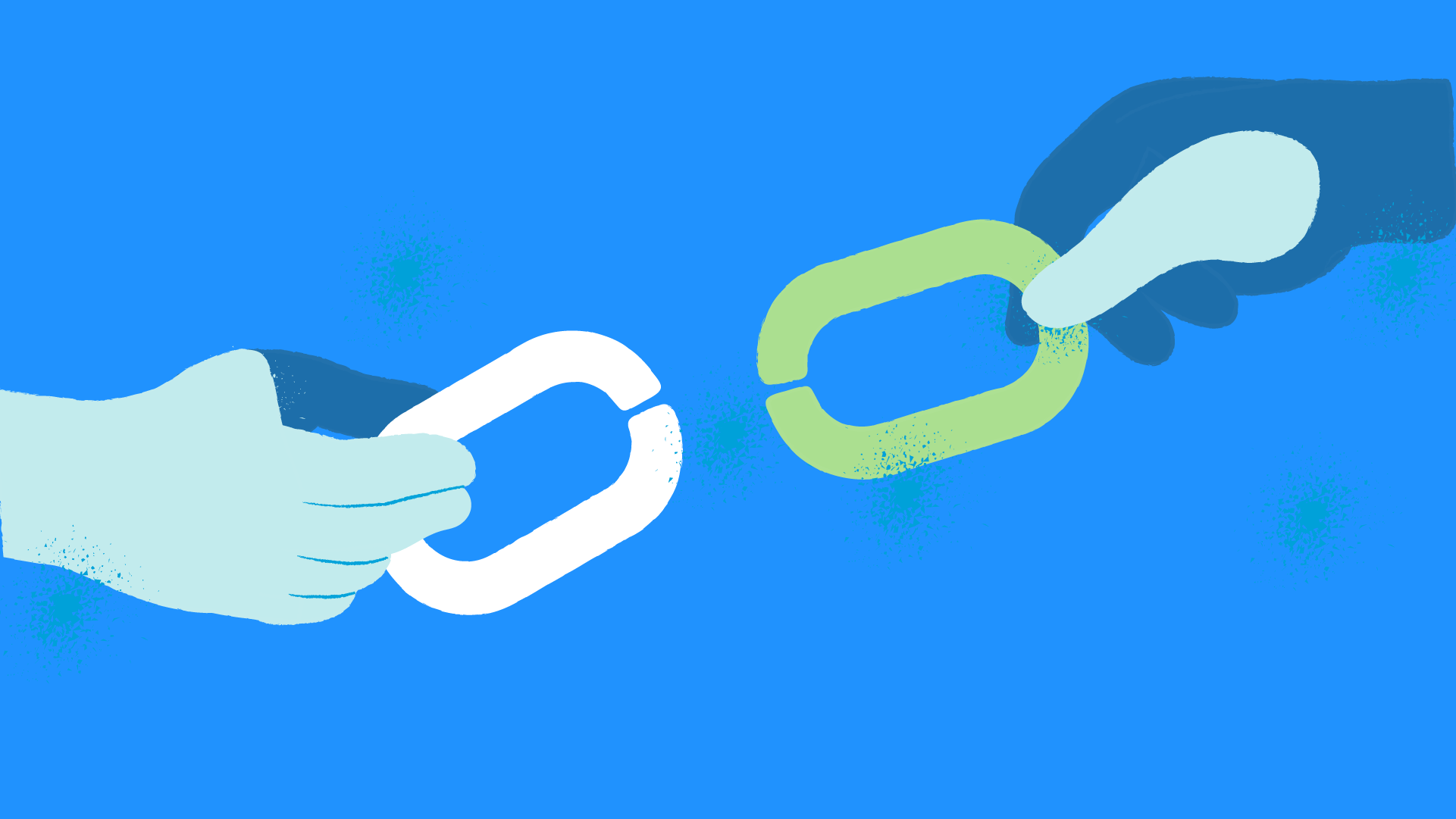
The Everyday Ripple: From Trust to Citizenship
Beyond the lab, trust manifests in everyday actions. Dai et al. (2022) found that when employees trusted their organization, they were more likely to go beyond their formal job descriptions — helping coworkers, taking initiative, and representing the company positively. This kind of organizational citizenship behavior is what keeps workplaces functioning smoothly when no one is watching.
The study also showed that trust nurtures identification — when people feel aligned with their company’s values, loyalty becomes natural. In other words, employees don’t just work for organizations they trust; they stand with them.
Trust as the Spark of Innovation
Creativity doesn’t happen in fear. Han, Park, and Jung (2018) connected trust directly to innovation, showing that when employees feel trusted, they are more willing to share unconventional ideas. The relationship between the employee–organization bond and creative performance was particularly strong in companies that cultivated an open climate — one where failure wasn’t punished but discussed. In these workplaces, trust acts as psychological permission to explore. It frees the mind from defensiveness and turns uncertainty from a threat into an opportunity.
When Crisis Hits, Trust Becomes Communication
The pandemic became a natural laboratory for studying trust. Men, Qin, and Jin (2022) explored how leaders maintained it through communication. The results were clear: it wasn’t constant contact that kept employees loyal, but meaningful connection. Supervisors who used empathetic, transparent, and purpose-driven language built more trust than those who relied on formal updates or task directives. Employees felt understood rather than managed. This kind of communication met core psychological needs — competence, autonomy, and belonging — transforming words into trust currency. In times of disruption, empathy is strategy.
Leadership, Fairness, and the Feeling of Belonging
Leadership trustworthiness also predicts how deeply people engage with their work. Liu, Bakari, Niaz, Zhang, and Shah (2022) found that when managers were perceived as fair, consistent, and ethical, employee engagement soared. The secret ingredient was perceived insider status — the feeling of being a true part of the organization rather than an outsider hired to perform tasks. Trust, then, isn’t just about reliability. It’s about inclusion. Employees who feel trusted also feel that their voice belongs in the room, and that belonging fuels energy, creativity, and persistence.
Pride, Approval, and the Social Dimension of Trust
Fast-forward to recent years, when a new model by Lee and Choi (2025) demonstrated that trust doesn’t just influence behavior directly — it shapes emotion. Organizational trust can heighten a sense of pride in one’s workplace, which then enhances commitment and proactive service behaviors. Yet, this process depends heavily on social context. When employees feel that their efforts are seen and valued by others, the trust-to-pride connection strengthens. Without social approval, even trusted employees may withdraw. Trust, the researchers conclude, thrives on recognition — it needs social oxygen.

Remote Work: When Distance Tests Trust
The global shift to remote work forced organizations to confront an uncomfortable question: can people trust those they rarely see? van Zoonen, Sivunen, and Blomqvist (2024) found that distance itself wasn’t the enemy — poor communication was. Trust declined not because people interacted less, but because messages lost richness, clarity, and tone. Trust in supervisors proved especially vulnerable. Without visible cues of care or consistency, leadership trust eroded faster than peer trust. The takeaway was simple but profound: in hybrid teams, it’s not about being constantly online, but about communicating with transparency, warmth, and precision.
The Many Layers of Trust
Trust isn’t monolithic. McKnight and Chervany (2001) emphasize that people can trust and distrust different aspects of the same organization simultaneously. An employee might trust the company’s competence but doubt its fairness. This multidimensional view explains why “rebuilding trust” is so difficult — it’s not one thing to fix. Cognitive trust (belief in capability), affective trust (emotional bond), and behavioral trust (willingness to rely) each move on their own timeline.
Trust in Healthcare: People and Systems
A 2024 review by Zhang and Li (2024) in the healthcare field illustrates how trust operates on two levels. Leader trust — the interpersonal bond between staff and supervisors — shapes daily morale and collaboration. Organizational trust — the institutional belief that the system is fair and reliable — influences long-term well-being and patient safety. When both are strong, healthcare workers report higher engagement and better care outcomes. When one falters, even the most skilled teams feel unstable. The lesson extends far beyond hospitals: human trust and institutional trust must reinforce each other for any organization to thrive.
The Big Picture: Trust as Culture, Not Policy
Across all ten studies, the message is remarkably consistent. Trust is not a perk; it’s the foundation of performance. It thrives on consistency, transparency, fairness, and communication — and it collapses when those are missing. The research also dispels a common myth: that trust can be mandated from the top. In reality, it’s co-created. Leaders provide the signals, but employees complete the cycle through response and reciprocity. It’s a living exchange, not a rule.
In an era of hybrid teams, digital oversight, and AI-driven management, trust may be the last human advantage organizations can’t automate. It’s the thread that weaves belonging, pride, and purpose into the fabric of work. And like any thread, once broken, it takes time — and care — to mend.
If there’s one takeaway from decades of research, it’s this: the strongest organizations don’t just manage people. They trust them, and earn that trust back every day.
References
Dai, Y., Tang, Y. M., Chen, W., & Hou, J. (2022). How organizational trust impacts organizational citizenship behavior: Organizational identification and employee loyalty as mediators. Frontiers in Psychology, 13, 996962. https://doi.org/10.3389/fpsyg.2022.996962
Dirks, K. T. (2000). Trust in leadership and team performance: Evidence from field research. Journal of Applied Psychology, 85(6), 1004–1012.
Ferrin, D. L., Kim, P. H., & Cooper, C. D. (2007). Trust violation and repair: The role of competence- versus integrity-based violations. Journal of Management, 33(6), 869–891.
Han, J., Park, H., & Jung, S. (2018). Employee trust, innovative behavior, and organizational climate: Evidence from Korean firms. Sustainability, 10(3), 864. https://doi.org/10.3390/su10030864
Kim, P. H., Dirks, K. T., & Cooper, C. D. (2004). When more blame is better than less: The implications of internal vs. external attributions for the repair of trust. Organizational Behavior and Human Decision Processes, 93(2), 98–113.
Kim, P. H., Ferrin, D. L., & Cooper, C. D. (2009). The repair of trust after integrity and competence violations. Academy of Management Review, 34(2), 252–266.
Lee, M., & Choi, Y. (2025). Trust, pride, and social recognition: A new model of emotional contagion in organizations. Journal of Organizational Behavior, 46(1), 22–39.*
Lewicki, R. J., & Bunker, B. B. (1996). Developing and maintaining trust in work relationships. In R. M. Kramer & T. R. Tyler (Eds.), Trust in organizations: Frontiers of theory and research (pp. 114–139). Sage.
Liu, D., Bakari, H., Niaz, M., Zhang, Q., & Shah, I. A. (2022). Impact of managerial trustworthy behavior on employee engagement: Mediating role of perceived insider status. Frontiers in Psychology, 13, 942697. https://doi.org/10.3389/fpsyg.2022.942697
Mayer, R. C., Davis, J. H., & Schoorman, F. D. (1995). An integrative model of organizational trust. Academy of Management Review, 20(3), 709–734.
McKnight, D. H., & Chervany, N. L. (2001). What trust means in e-commerce customer relationships: An interdisciplinary conceptual typology. International Journal of Electronic Commerce, 6(2), 35–59.
Men, L. R., Qin, Y. S., & Jin, J. (2022). Fostering employee trust via effective supervisory communication during the COVID-19 pandemic: Through the lens of motivating language theory. International Journal of Business Communication, 59(5), 463–487.* https://doi.org/10.1177/23294884211020491
Tomlinson, E. C., & Mayer, R. C. (2009). The role of causal attribution dimensions in trust repair. Academy of Management Review, 34(1), 85–104.
van Zoonen, W., Sivunen, A. E., & Blomqvist, K. (2024). Out of sight—out of trust? Communication quality’s effect on trust in hybrid teams. European Management Journal. Advance online publication.
Zhang, Y., & Li, X. (2024). Leader and organizational trust in healthcare: A systematic review and future directions. BMC Health Services Research, 24(1), 1–14. https://doi.org/10.1186/s12913-024-09621-8
.svg)

.svg)

.svg)
.svg)

.svg)
.svg)
.svg)
.svg)


.svg)
.svg)


